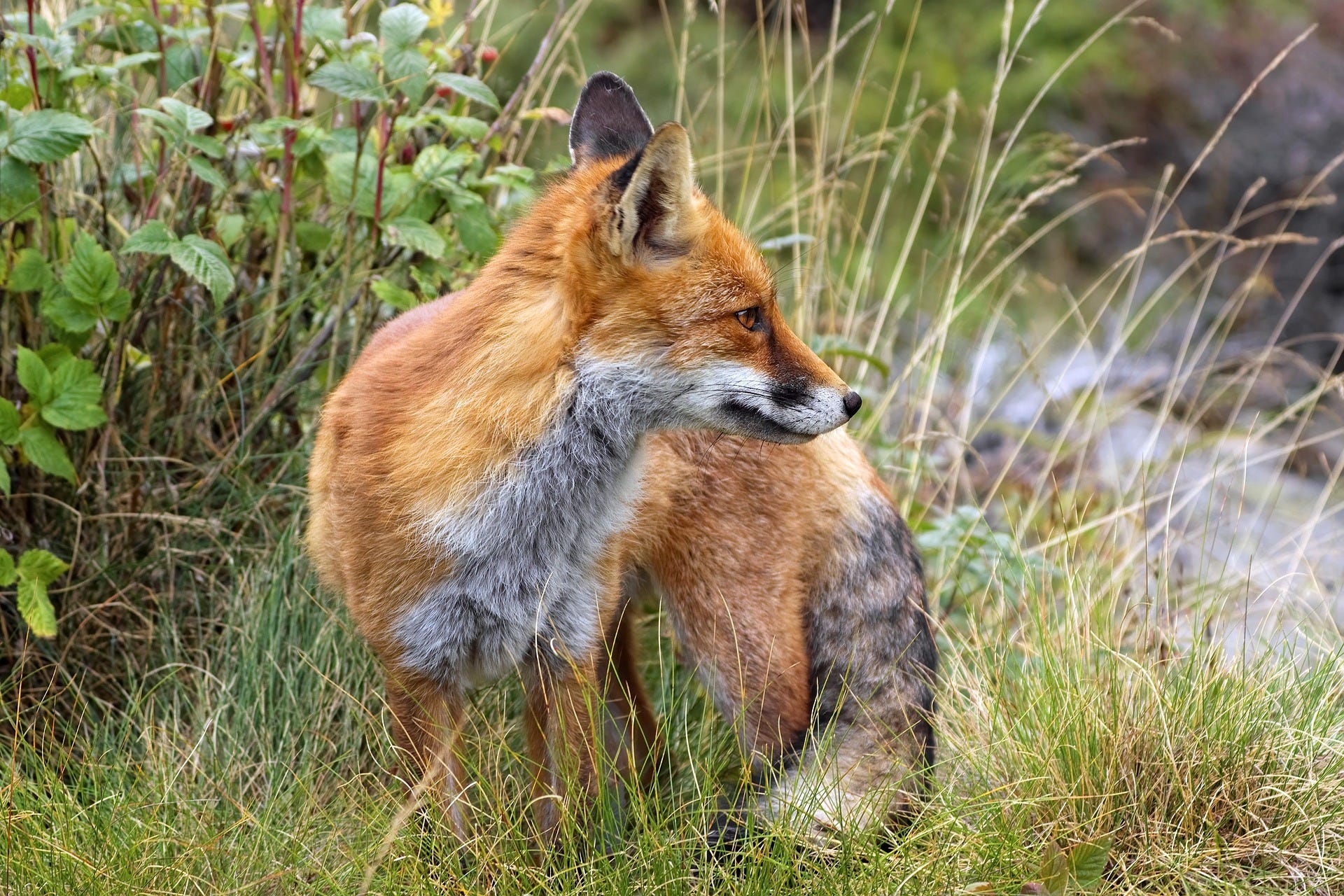
What does shadow mean to you? To most folks, shadow means in the dark, and beyond that, there's not much more to it. However, we artists can find and create mysteries in shadowed areas that the layperson might not see. Before we can do that, it would be helpful to observe exactly what goes on within different kinds of shadows.
WHAT DO YOU SEE HERE?
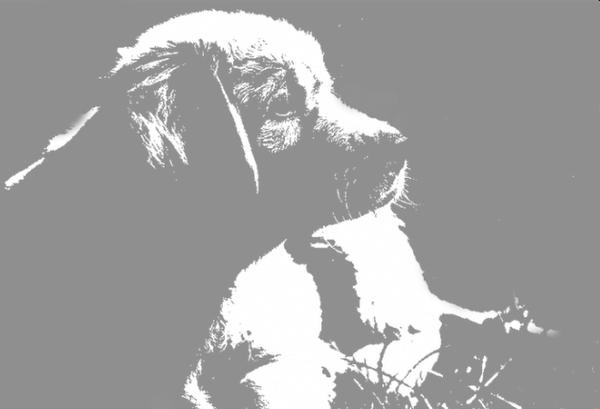
Was your first answer "dog"? Shift your attention to the dark pattern and examine how much of the dog and its surroundings are located in shadow. In this particular backlighting, what we see in shadow in both the negative and positive spaces plays the largest role in identifying the characteristics of the dog.
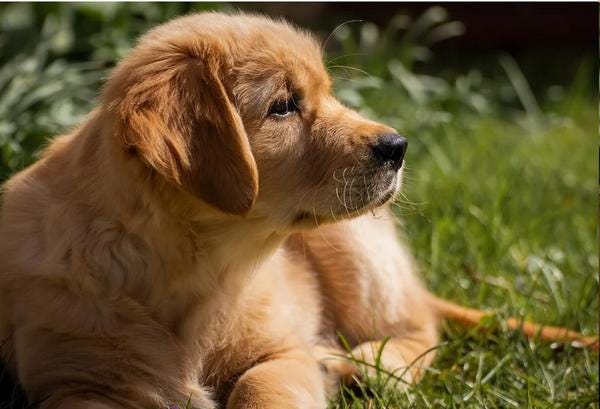
Here's what the photo of the shadow reveals about his neck area. (Keep in mind that shadows in photos taken in direct light often are over-exposed.)
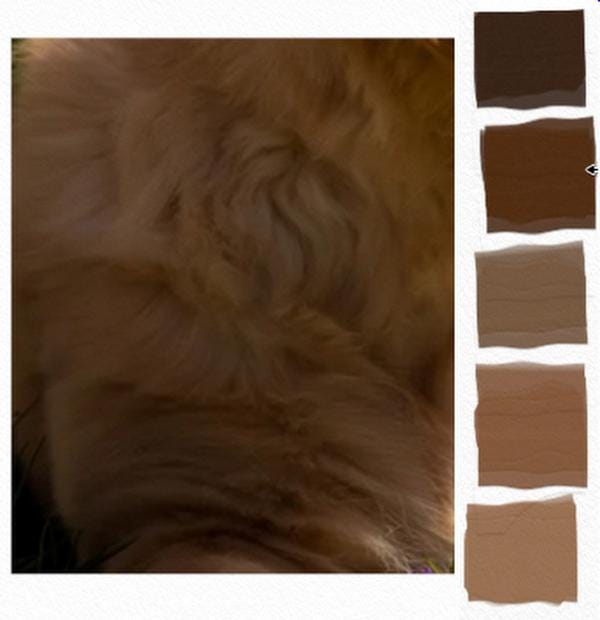
This large shadow area contains a range of at least five values. Notice how their variations show us the rhythm of movement within the dog's fur. (Imagine what we would see looking at it rather than at a photo of it.) But that's not all: notice the subtle changes in color that happen within each of those value areas.
We can group these shadow values and color variations as deep shadow, moderate shadow, and shallow. Notice how their alternation with light creates the details of the dog's eye.
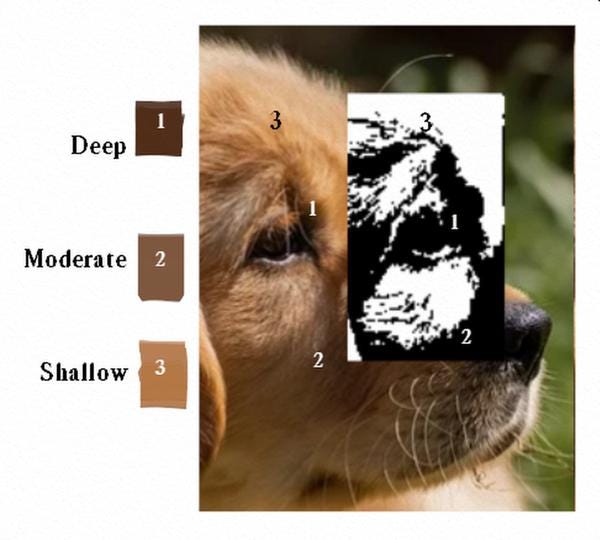
NOT JUST THE VALUE
So, when we look more closely, we will see that it's not just the darker values we see in shadow. We also see variations in hue and degrees of value differences. Although subtle, these variations can reveal a rhythm that is continued from areas being lit, all playing a strong role in the overall character of the subject.
TRY THIS:
See how many value and color changes you can find in the shadow areas in this photo of a fox in these surroundings. Look for some to be deep, some moderate and some shallow shadows, and notice what they reveal about the images where they live.