

Reaching back as far as the European Renaissance, we can find standard visual paths that artist used in their paintings.
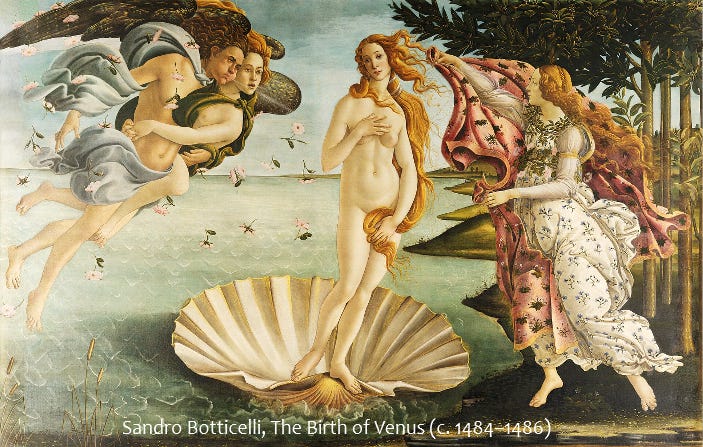
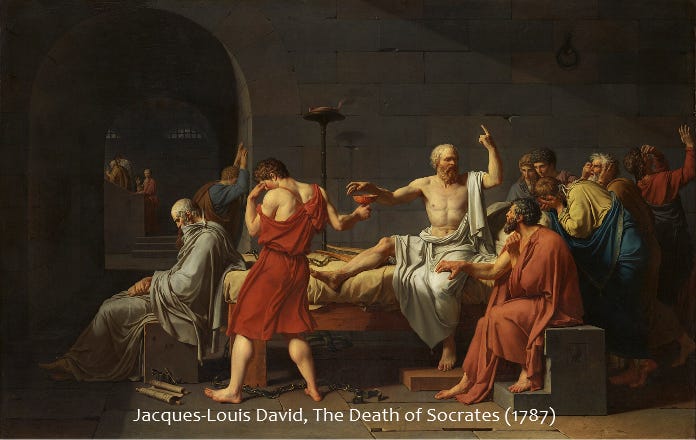
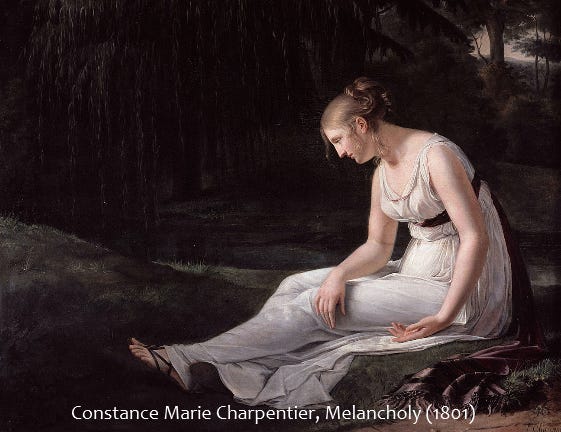
Today, a visual path can take any formation or direction as long as it keeps the viewer’s eye within the painting. Credit that to those who rebelled against the academic rules during the past five hundred years.
We all know that rules are created to set parameters, something necessary for a civilized society, but the more enlightened artists realize that there are guiding principles that are cause and effect, which we can use as tools while at the same time expressing our individual voices.
The difference between a tool and a rule is the difference between a painter being a mere copyist and one whose paintings are creative expressions. A tool is meant to be used with skill, but with the freedom to explore as that skill becomes honed. A rule is to be adhered to, leaving little room for creativity.
Whether using a traditional visual path or a creative one, the painter’s unique voice can be expressed as long as it is used as a tool rather than a rule.